
You bought a pack of nutritional yeast for a recipe, used a few spoonfuls, and then the packet goes to the back of your kitchen cupboard. Months later, you find it again while preparing dinner. Now you’re wondering whether it’s still good enough to sprinkle over your pasta or should I throw it away?
Does nutritional yeast go bad? Yes, it can. Although it lasts much longer than many everyday foods, it doesn’t stay fresh forever. Over time, its flavor may fade, and poor storage can expose it to moisture and spoilage.
The good news? Keeping nutritional yeast fresh isn’t complicated. Here’s how long it lasts, what warning signs to look for, and how to store it properly.
What Is Nutritional Yeast?
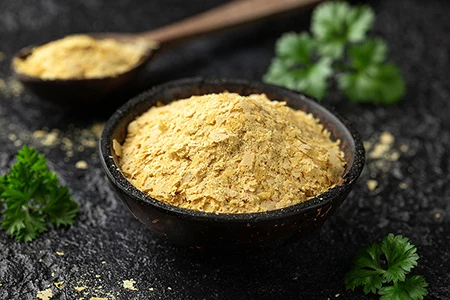
Nutritional yeast, sometimes called nooch, is a popular ingredient with a cheesy, nutty flavor. It comes in yellow flakes or powder and is commonly added to pasta, popcorn, soups, and salads. It’s especially popular in vegan cooking because it adds a savory taste without using dairy products.
Unlike baking yeast, nutritional yeast is inactive. This means it won’t make bread rise.
Some brands also contain added B vitamins, including vitamin B12. However, the nutritional content varies, so it’s always worth checking the label.
How Long Does Nutritional Yeast Last?
One reason people love nutritional yeast is its long shelf life. Since it’s a dry product, it can stay usable for quite a while when stored correctly.
Widely packaged varieties have a best-before period of around one to two years, although this depends on the manufacturer.
Here’s a quick guide:
Storage Conditions and Expectations
- Unopened Package: If the package is unopened, it can last around 1 to 2 years, depending on the label.
- Opened but Tightly Sealed Package: If the package has been opened but is tightly sealed, it may remain good for months or even longer.
- Stored in a Hot & Humid Kitchen: If the package is stored in a hot and humid kitchen, its quality may decline faster.
- Exposed to Moisture: If the package is exposed to moisture, there is a greater risk of clumping and spoilage.
These are general guidelines, not guaranteed expiration periods. The date and storage instructions on your particular package should always come first.
Does Nutritional Yeast Go Bad or Just Lose Freshness?
There’s a difference between food that has lost some freshness and food that is no longer safe to eat.
Nutritional yeast may gradually lose its strong, savory flavor as it gets older. Some added vitamins may also become less stable over time.
But does nutritional yeast go bad in a way that makes it unsafe?
Yes, it can go bad if water or dirt gets inside the container.
For example, nutritional yeast that has simply lost some flavor isn’t necessarily spoiled. However, flakes showing visible mold or an unusual damp, musty smell should be thrown away.
Knowing the difference can help you avoid unnecessary waste without taking chances with food safety.
5 Signs Your Nutritional Yeast Has Gone Bad
Not sure whether that old packet belongs in your dinner or the bin? Start by checking these signs.
1. An Unusual Smell
Fresh nutritional yeast normally has a mild, savory aroma. If it smells musty, sour, or noticeably different from usual, don’t use it.
2. Visible Mold
Mold is a clear warning sign. If you notice fuzzy patches or unusual growth, discard the entire product rather than removing the affected part.
3. Damp or Sticky Clumps
A few loose clumps don’t always mean spoilage. However, wet, sticky flakes suggest that moisture has entered the package.
4. Unexpected Color Changes
Nutritional yeast is generally yellow or golden. Unusual spots or discoloration, especially alongside moisture or a strange smell, can indicate a problem.
5. Loss of Flavor
Older nutritional yeast may taste less cheesy or savory. This usually points to declining quality rather than definite spoilage.
If other warning signs are present, don’t taste the product to check whether it’s safe.
How to Store Nutritional Yeast After Opening
Learning how to store nutritional yeast after opening can help you get more use out of every packet.
The biggest enemies are moisture, heat, and poor packaging.
Here are a few easy habits worth following:
- Use an airtight container. A clean, dry jar or tightly sealed original package helps keep moisture out.
- Choose a cool, dry cupboard.Store it away from heat, water, and sunlight.
- Always use a dry spoon. Even a little water can affect the flakes.
- Close the lid immediately.Always close the container when you’re cooking.
- Keep the original label. It helps you remember the best-before date and storage instructions.
Here’s a useful trick: if you buy a large bag, transfer a small amount into a separate container for everyday cooking. That way, you won’t need to open the main package every time.
Does Nutritional Yeast Need to Be Refrigerated?
A common question is, does nutritional yeast need to be refrigerated?
Usually, no.
Nutritional yeast is shelf-stable and can generally be kept in a cool, dry pantry. Refrigeration isn’t necessary unless the manufacturer recommends it.
However, if your kitchen becomes very hot or humid, refrigeration may be an option.
Make sure the container is closed tightly so air and moisture cannot get inside.Refrigerators contain moisture, and condensation can develop when a cold container is opened in a warm room.
If you choose refrigerated storage, keep the package sealed while it comes to room temperature before opening it.
For most households, a dry cupboard is the simpler choice.
Can You Use Nutritional Yeast After Its Expiration Date?
Finding an old package doesn’t automatically mean you have to throw it away. First, check whether the label says best before or use by.
A best-before date usually relates to quality. It tells you when the manufacturer expects the product to taste and perform its best.
If nutritional yeast is slightly past that date, has been stored properly, and shows no signs of spoilage, it may still be usable.
However, you can’t confirm food safety through appearance or smell alone. Follow the manufacturer’s guidance, especially if the package has been damaged or stored incorrectly.
When you’re uncertain about its condition, replacing it is the safer option.
Common Storage Mistakes to Avoid
Sometimes, small kitchen habits shorten the life of pantry ingredients.
Leaving nutritional yeast near a steaming pot, using a wet measuring spoon, or forgetting to close the packet can all create problems.
Another common mistake is keeping it in a sunny spot simply because the container looks nice on the counter.
A dark cupboard may not be as decorative, but it’s usually a better home for your nutritional yeast.
Final Thoughts
So, does nutritional yeast go bad? Yes, but proper storage can help it remain fresh for a long time. Keep it tightly sealed, protect it from moisture, and pay attention to any unusual changes in smell, color, or texture.
You don’t need an expensive storage system or a special kitchen setup. A clean, dry container and a suitable cupboard are often all it takes.
With a little care, your nutritional yeast can stay ready for your next bowl of pasta, homemade sauce, or movie-night popcorn
Frequently Asked Questions
Can Nutritional Yeast Grow Mold?
Yes. Although it’s a dry product, mold can develop if enough moisture gets inside. Discard it if you notice visible mold.
Can You Freeze Nutritional Yeast?
You can, provided it’s packed in a suitable airtight, moisture-resistant container. However, freezing is usually unnecessary for everyday storage.
Does Fortified Nutritional Yeast Last Longer?
Not necessarily. Fortified nutritional yeast contains added nutrients, but its shelf life still depends on the product, packaging, and storage conditions.
Should You Throw Away Clumpy Nutritional Yeast?
Not every clump means spoilage. But if the flakes feel damp, smell unusual, or show mold, it’s best to discard them.